.png)
Overcoming Fear as a New Diver
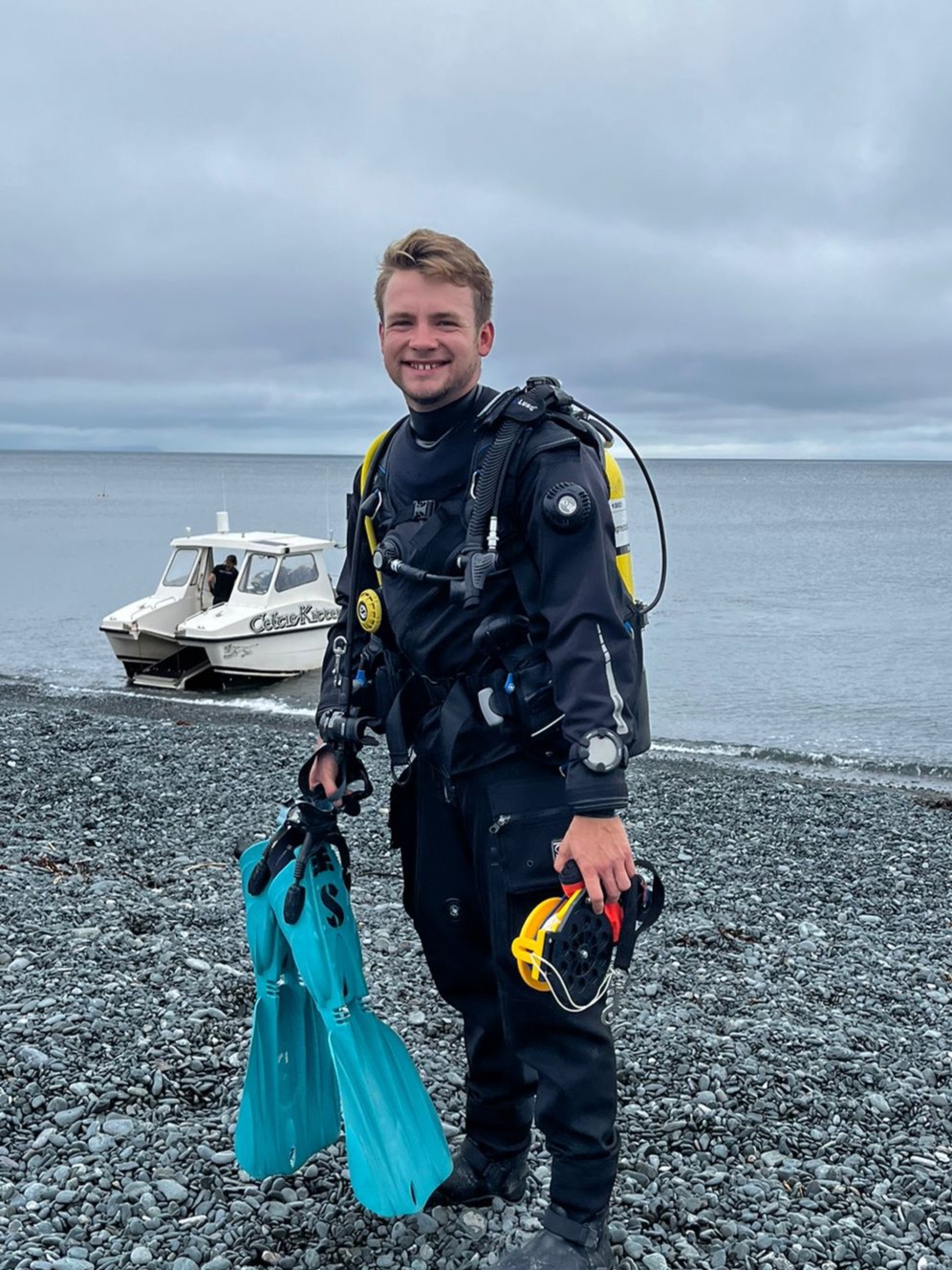

Fear is one of the most common challenges faced by new scuba divers. While scuba diving is often associated with calm waters and incredible marine life, many beginners experience anxiety during their first dives. This is completely natural. As a PADI Course Director who learned to dive at 17 and has been teaching since the age of 18, I have seen firsthand how fear can be transformed into confidence through proper training and experience.
Now at 26 years old, with nearly a decade of teaching divers from all over the world, I can confidently say that overcoming fear is one of the most rewarding parts of becoming a certified diver.
Understanding Fear in Beginner Divers
Fear in scuba diving usually comes from unfamiliarity rather than danger. New divers often worry about:

Breathing underwater
Losing control of buoyancy
Equipment failure
Making mistakes
These concerns are normal. Humans are not naturally adapted to breathe underwater, so the brain initially perceives the situation as stressful. Quality dive training focuses on teaching divers how to manage these fears by building knowledge, skill, and trust in their equipment.
The Importance of Proper Scuba Training
Professional scuba training is designed to prepare divers for real-world conditions in a controlled environment. Skills such as mask clearing, regulator recovery, and buoyancy control are not just exercises—they are confidence-building tools.
When I began teaching at 18, I quickly realized that my role extended beyond teaching technical skills. My primary responsibility became helping students feel calm and secure underwater. Once divers understand how to solve basic problems, fear is replaced with confidence and control.

How Confidence Develops Through Experience
Confidence in diving does not happen instantly. It develops progressively through small successes:
Taking the first breath underwater
Completing the first open water descent
Successfully managing buoyancy
Finishing the first full dive calmly
Each positive experience reinforces the diver’s ability to remain relaxed and focused underwater. This step-by-step process is essential for long-term safety and enjoyment.
Why Fear Can Improve Diving Safety
A moderate level of fear can actually enhance diving performance. It encourages divers to be more attentive, follow procedures carefully, and respect personal limits.
The objective is not to eliminate fear entirely, but to convert it into:
Awareness
Preparation
Responsible decision-making
Divers who begin with caution often become some of the safest and most competent underwater explorers.

Advice for New Divers
For those starting their scuba journey, the following strategies can help manage fear:
Control your breathing – Slow, steady breathing helps regulate stress and improves buoyancy.
Trust your training – Certified programs are designed to prepare you for realistic situations.
Communicate openly – Inform your instructor about any concerns or anxiety.
Progress at your own pace – There is no pressure to rush development.
Acknowledge progress – Each successful dive builds experience and confidence.
From Fear to Enjoyment
Learning to dive at 17 introduced me to the underwater world, and teaching since 18 has allowed me to guide hundreds of divers through their first experiences. At 26, I continue to see how powerful it is when students overcome their initial fears and begin to enjoy the freedom of underwater exploration.
Scuba diving does not require fearlessness—it requires calmness, preparation, and respect for the environment. With proper instruction and a supportive learning environment, even the most nervous beginner can become a confident and capable diver.
Every experienced diver was once a beginner. Fear is not a weakness; it is simply the first step toward mastering a new skill.


Understanding what Diving artinya means can help travelers prepare for underwater experiences, safety procedures, and basic diving techniques before joining a trip. More diving information is shared by Diving First.